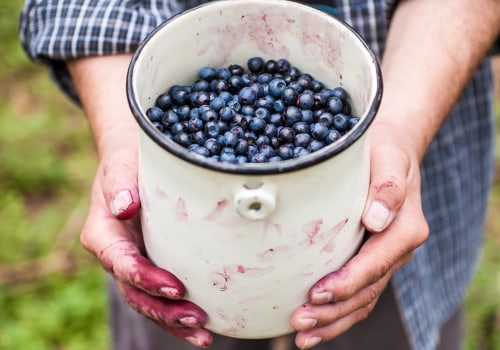
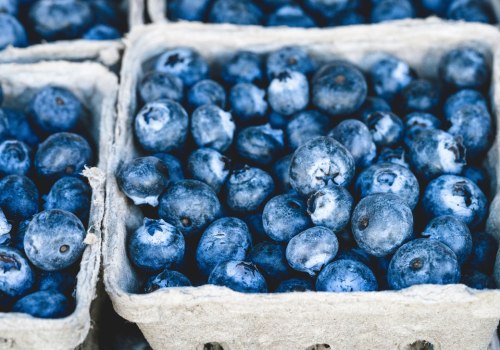
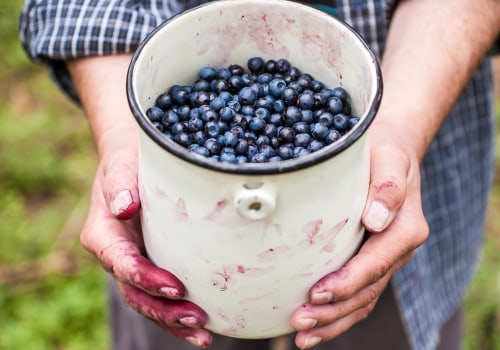
A clearer view of bilberry.
The Pros and Cons of Incorporating Bilberry into Your Daily Routine
Explore the benefits and risks of incorporating bilberry into your daily routine for improved health and wellness.

Bilberry, often mistaken for its more common cousin, the blueberry, is a small, dark blue fruit that has garnered attention for its impressive nutritional profile and potential health benefits. Native to Europe and parts of North America, bilberries have been used for centuries in traditional medicine, particularly for their antioxidant properties. These tiny berries are rich in vitamins A, C, and E, as well as essential minerals like potassium and magnesium. Their vibrant color is a testament to their high levels of anthocyanins, a type of flavonoid known for its ability to combat oxidative stress in the body. The historical significance of bilberry cannot be overstated.
During World War II, British pilots reportedly consumed bilberry jam to enhance their night vision, leading to a surge in interest regarding the fruit's potential benefits for eye health. This anecdote highlights not only the berry's practical applications but also its cultural relevance across various regions. Today, bilberry is celebrated not just for its taste but also for its role in promoting overall wellness. Incorporating bilberry into your daily routine may offer numerous bilberry benefits , from supporting cardiovascular health to improving cognitive function. However, understanding the full scope of what bilberry can do requires a closer look at its nutritional value and the scientific research backing its claims.
As we delve deeper into this article, we will explore both the advantages and potential risks associated with adding this superfruit to your diet.
Health Benefits of Bilberry
Bilberry, a small dark blue fruit closely related to blueberries, has garnered attention for its impressive array of health benefits. Rich in vitamins, minerals, and particularly antioxidants, bilberry is often celebrated for its potential to enhance overall health and well-being. One of the most notable health benefits of bilberry is its impact on vision. Research suggests that bilberry may help improve night vision and reduce eye strain. This is largely attributed to its high concentration of anthocyanins, a type of antioxidant that can enhance blood flow to the eyes and protect against oxidative stress.Some studies have indicated that regular consumption of bilberry may help prevent age-related macular degeneration (AMD) and cataracts, making it a valuable addition to the diet for those concerned about their eye health. In addition to its effects on vision, bilberry is also recognized for its powerful antioxidant properties. Antioxidants play a crucial role in neutralizing free radicals in the body, which can lead to cellular damage and contribute to chronic diseases such as heart disease and cancer. The antioxidants found in bilberry, particularly anthocyanins, have been shown to reduce inflammation and support cardiovascular health by improving cholesterol levels and lowering blood pressure. Moreover, bilberry may aid in managing blood sugar levels. Some studies suggest that the compounds in bilberry can enhance insulin sensitivity and help regulate glucose metabolism, making it a potential ally for individuals with diabetes or those at risk of developing the condition. Furthermore, bilberry has been traditionally used to support digestive health. . Antioxidants play a crucial role in neutralizing free radicals in the body, which can lead to cellular damage and contribute to chronic diseases such as heart disease and cancer. The antioxidants found in bilberry, particularly anthocyanins, have been shown to reduce inflammation and support cardiovascular health by improving cholesterol levels and lowering blood pressure. Moreover, bilberry may aid in managing blood sugar levels. Some studies suggest that the compounds in bilberry can enhance insulin sensitivity and help regulate glucose metabolism, making it a potential ally for individuals with diabetes or those at risk of developing the condition. Furthermore, bilberry has been traditionally used to support digestive health.
Its high fiber content can promote regular bowel movements and improve gut health by fostering a healthy microbiome. In summary, incorporating bilberry into your daily routine can offer numerous health benefits, from enhancing vision to providing robust antioxidant support. As with any supplement or dietary change, it is advisable to consult with a healthcare professional before adding bilberry to your regimen, especially if you have existing health conditions or are taking medications.
Potential Risks and Side Effects of Bilberry
While bilberry is celebrated for its numerous health benefits, it is essential to be aware of the potential risks and side effects associated with its consumption. Understanding these factors can help individuals make informed decisions about incorporating bilberry into their daily routines.Possible Side Effects
- Gastrointestinal Issues: Some individuals may experience digestive discomfort, including nausea, diarrhea, or stomach cramps after consuming bilberry. These symptoms are often mild but can be bothersome for some.
-
Allergic Reactions: Although rare, allergic reactions to bilberry can occur.
Symptoms may include itching, swelling, or difficulty breathing. If any of these symptoms arise after consuming bilberry, it is crucial to seek medical attention immediately.
- Blood Sugar Levels: Bilberry may lower blood sugar levels, which can be a concern for individuals with diabetes or those taking medications that affect blood sugar. Monitoring blood glucose levels is advisable when introducing bilberry into the diet.
Interactions with Medications
Bilberry can interact with certain medications, potentially altering their effectiveness or increasing the risk of side effects. Some notable interactions include:
- Anticoagulants: Bilberry may enhance the effects of blood-thinning medications such as warfarin, increasing the risk of bleeding.
-
Diabetes Medications: As mentioned earlier, bilberry can lower blood sugar levels.
Those on insulin or other diabetes medications should consult their healthcare provider before adding bilberry to their regimen.
- Antihypertensives: Bilberry may also have a mild blood pressure-lowering effect, which could interact with medications prescribed for hypertension.
Who Should Avoid Bilberry?
Certain groups of people should exercise caution or avoid bilberry altogether:
- Pregnant and Breastfeeding Women: The safety of bilberry during pregnancy and lactation has not been well-studied. Therefore, it is advisable for pregnant or breastfeeding women to avoid its use unless directed by a healthcare professional.
- Children Under Two: Due to the lack of research on the safety of bilberry in young children, it is recommended that children under the age of two refrain from consuming this fruit.
- Individuals with Specific Allergies: Those who have known allergies to other berries should approach bilberry with caution and consult a healthcare provider before trying it.
How to Incorporate Bilberry into Your Daily Routine
Incorporating bilberry into your daily routine can be both enjoyable and beneficial for your health. This small, dark blue fruit is not only delicious but also packed with nutrients and antioxidants.Here are some practical ways to include bilberry in your diet, along with recipes and supplement options.
Fresh Bilberries
One of the simplest ways to enjoy bilberries is to consume them fresh. You can find fresh bilberries at local farmers' markets or specialty grocery stores during their peak season, typically in late summer. Here are a few ideas:- Add fresh bilberries to your morning oatmeal or yogurt for a nutritious breakfast.
- Mix them into smoothies for a refreshing drink that boosts your antioxidant intake.
- Use them as a topping for pancakes or waffles, paired with a drizzle of honey or maple syrup.
Bilberry Recipes
If you're looking to get creative in the kitchen, consider trying out these delicious bilberry recipes:-
Bilberry Muffins: Combine flour, sugar, baking powder, and a pinch of salt. In another bowl, mix eggs, milk, and melted butter.
Fold in fresh bilberries and bake at 350°F (175°C) until golden brown.
- Bilberry Jam: Cook fresh bilberries with sugar and lemon juice until thickened. Store in sterilized jars for a delightful spread on toast or biscuits.
- Bilberry Salad: Toss fresh bilberries with mixed greens, goat cheese, walnuts, and a balsamic vinaigrette for a refreshing salad.
Bilberry Supplements
If you prefer a more convenient option, bilberry supplements are widely available in various forms such as capsules, extracts, and teas. When choosing supplements, consider the following:- Capsules: Look for standardized extracts that contain at least 25% anthocyanins, the active compounds responsible for many of bilberry's health benefits.
- Teas: Bilberry leaf tea can be enjoyed as a soothing beverage. However, be cautious with dosage as excessive consumption may lead to side effects.
Generally, it is advisable to follow the manufacturer's instructions or consult with a healthcare professional to determine the appropriate amount for your needs. Incorporating bilberry into your daily routine can enhance your diet while providing numerous health benefits. Whether you choose fresh berries, delicious recipes, or convenient supplements, this superfruit is an excellent addition to any wellness regimen.
Comparing Bilberry with Other Berries: A Nutritional Perspective
When it comes to berries, bilberry often gets overshadowed by its more popular counterparts like blueberries and cranberries. However, a closer look at their nutritional profiles reveals that each berry offers unique benefits that can enhance your health in different ways.Bilberry vs. Blueberry
Both bilberries and blueberries belong to the same family, but they have distinct differences.Bilberries are smaller and darker than blueberries, with a more intense flavor. Nutritionally, bilberries are rich in anthocyanins , which are powerful antioxidants that give them their deep color. These compounds are known for their potential to improve vision, particularly night vision, and may also help reduce the risk of chronic diseases. In terms of vitamin content, bilberries provide a good source of vitamin C and vitamin K, similar to blueberries. However, bilberries tend to have higher levels of certain antioxidants compared to blueberries, making them a potent option for those looking to boost their antioxidant intake.
Nutritional Comparison of Berries
Here’s a quick comparison of the nutritional benefits of bilberries, blueberries, and cranberries:- Bilberry: High in anthocyanins, vitamin C, and fiber; supports eye health and may improve circulation.
- Blueberry: Rich in antioxidants, vitamin K, and manganese; known for heart health benefits and cognitive function support.
- Cranberry: High in vitamin C and fiber; well-known for urinary tract health and potential anti-inflammatory properties.
Benefits of Different Berries
While all three berries offer health benefits, they cater to different needs:- Bilberry: Best for those seeking enhanced vision support and cardiovascular health.
- Blueberry: Ideal for individuals looking to improve memory and overall heart health.
- Cranberry: A go-to choice for urinary tract health and preventing infections.
Each berry has its unique strengths, making it beneficial to include a variety of them in your diet for optimal health.
Frequently Asked Questions About Bilberry
As interest in bilberry continues to grow, many people have questions about its safety, benefits, and usage. Below are some of the most frequently asked questions regarding this remarkable fruit.What is bilberry?
Bilberry, often confused with blueberry, is a small, dark blue fruit that belongs to the same family as blueberries. It is native to Europe and has been used for centuries in traditional medicine due to its high levels of antioxidants and potential health benefits.What are the health benefits of bilberry?
- Rich in Antioxidants: Bilberries are packed with anthocyanins, which are powerful antioxidants that help combat oxidative stress in the body.
- Eye Health: Some studies suggest that bilberry may improve night vision and overall eye health by enhancing blood flow to the eyes.
- Anti-Inflammatory Properties: The anti-inflammatory compounds in bilberry may help reduce inflammation and support overall health.
- Blood Sugar Regulation: Preliminary research indicates that bilberry may assist in regulating blood sugar levels, making it potentially beneficial for those with diabetes.
Is bilberry safe to consume daily?
For most people, consuming bilberry in moderate amounts is considered safe. However, it is essential to consult with a healthcare professional before adding any new supplement to your routine, especially if you have underlying health conditions or are taking medications.Pregnant or breastfeeding women should also seek medical advice before using bilberry products.
Are there any side effects associated with bilberry?
While bilberry is generally well-tolerated, some individuals may experience mild side effects such as digestive upset or allergic reactions. It is crucial to monitor your body's response when trying bilberry for the first time and discontinue use if you notice any adverse effects.How can I incorporate bilberry into my diet?
Bilberries can be enjoyed fresh, dried, or as a supplement in capsule form. They can be added to smoothies, yogurt, oatmeal, or baked goods for a nutritious boost. Dried bilberries can also be used in teas or as a topping for salads. In summary, while bilberry offers numerous potential health benefits, it is essential to approach its use thoughtfully and consult with a healthcare provider if you have any concerns.Conclusion: Weighing the Pros and Cons of Bilberry
Incorporating bilberry into your daily routine can offer a range of potential benefits, but it is essential to approach this decision with a balanced perspective.As we have explored throughout this article, bilberry is rich in antioxidants, particularly anthocyanins, which are known for their ability to combat oxidative stress and inflammation. This can lead to improved eye health, enhanced cardiovascular function, and even better cognitive performance. However, it is equally important to consider the risks associated with bilberry consumption. While many people may enjoy the fruit without any adverse effects, others might experience side effects or interactions with medications. For instance, the tannins found in bilberry leaves and extracts can lead to gastrointestinal issues if consumed in large quantities over extended periods.
Additionally, the safety of bilberry during pregnancy and breastfeeding remains uncertain, necessitating caution for those in these situations. To make an informed decision about incorporating bilberry into your diet, consider the following:
- Consult a healthcare professional: Before adding any new supplement or herbal remedy to your routine, especially if you have existing health conditions or are taking medications.
- Start with small amounts: If you decide to try bilberry, begin with a modest quantity to assess how your body reacts.
- Be aware of sourcing: Ensure that you are obtaining bilberry from reputable sources to avoid contamination or mislabeling.
- Monitor your health: Keep track of any changes in your health or well-being after introducing bilberry into your diet.